Why Air Conditioning Needs an Annual Service
Two reasons, and one of them is expensive to ignore.
Reason one: your warranty probably depends on it
Manufacturer warranties on residential systems commonly run five to ten years — a genuine selling point, and often the reason people choose one brand over another.
Read the terms, though, and most are conditional on the system being serviced annually by a competent person, with records kept. Skip a year and cover can lapse.
That's the expensive part. A compressor failure in year six on a system with valid cover is the manufacturer's problem. The same failure with no service history is yours.
Reason two: it costs you money not to
An air conditioning system quietly gets worse without maintenance:
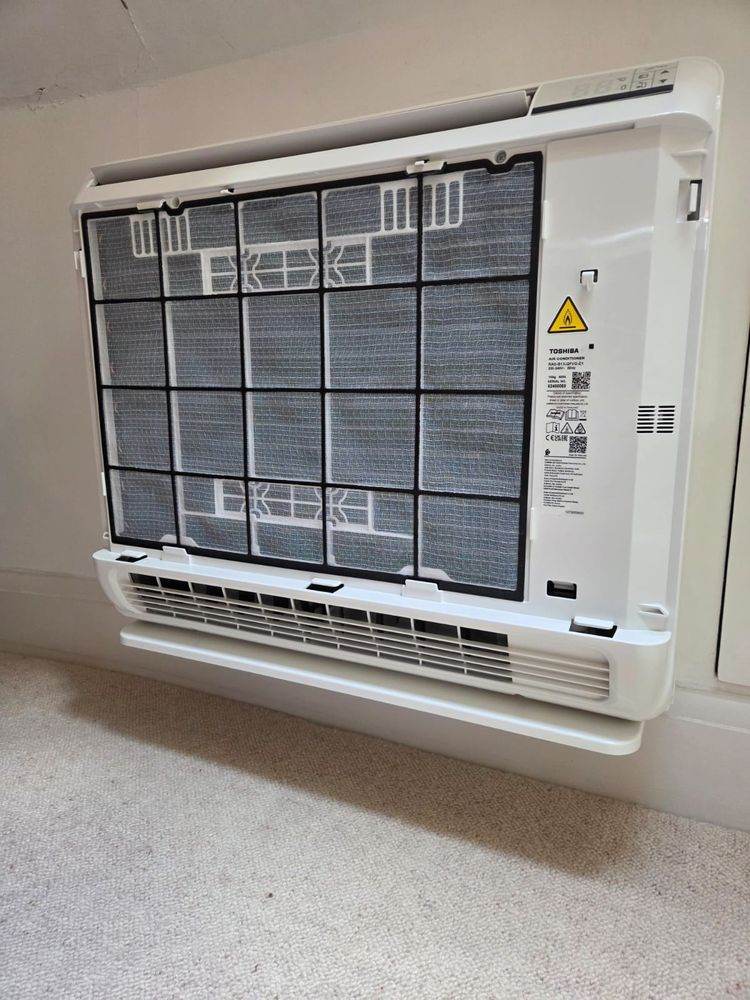
Filters block. Restricted airflow means the system runs longer for the same result, so your bills rise.
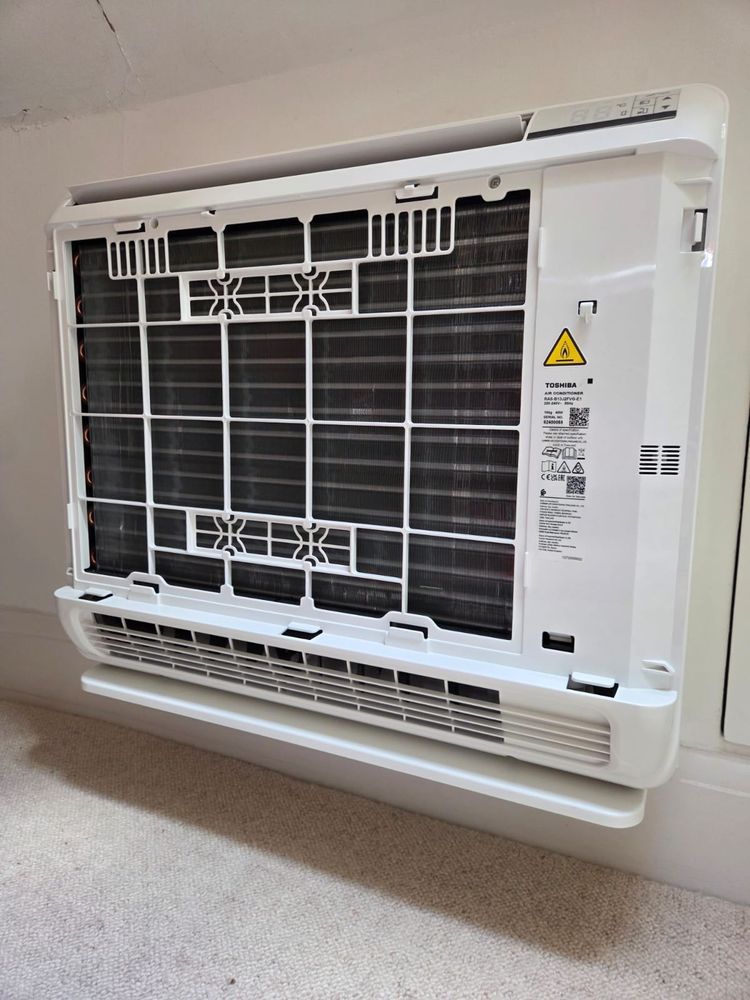
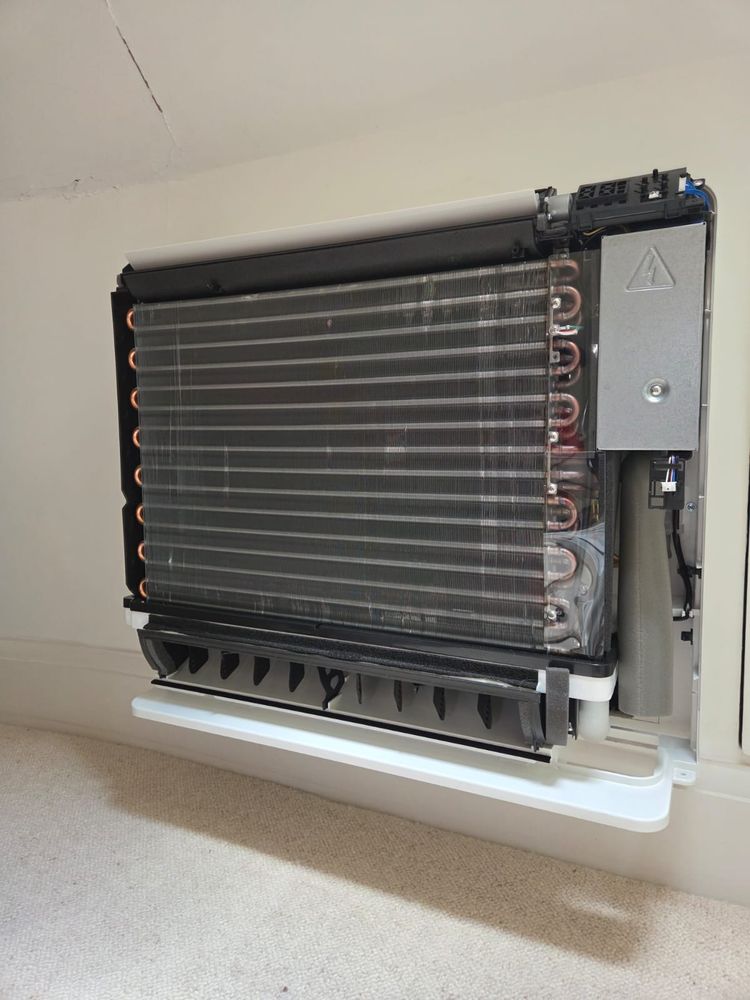
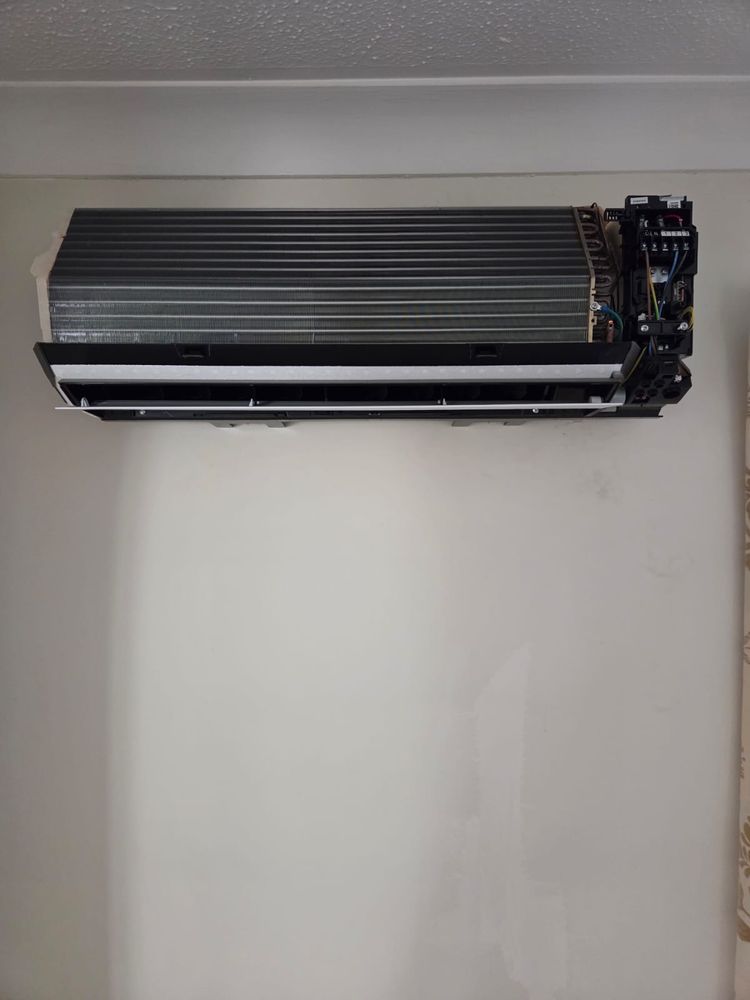
Coils get dirty. Both the indoor and outdoor coils exchange heat, and a layer of dust or garden debris makes that noticeably less efficient.
Condensate drains block. This is the one that causes visible damage — water backing up and finding its way down your wall.
Small refrigerant leaks go unnoticed. A slightly undercharged system works harder, cools worse, and eventually damages the compressor. Caught early it's a simple repair.
Mould develops. Indoor units are dark and damp by design. Unserviced ones can develop growth on the coil, which is where the musty smell some people notice comes from.
What a service should include
- Filters cleaned or replaced
- Indoor and outdoor coils cleaned
- Condensate drain checked and cleared
- Refrigerant pressures checked, and a leak check
- Electrical connections checked
- Controls and operation tested in both heating and cooling
- A written report
It takes an hour or two depending on how many indoor units there are. If someone's in and out in twenty minutes, they haven't done all of that.
How often
Once a year is the standard for a domestic system, and it's what warranty terms typically require. Systems in dusty environments, or running hard year-round, may want more.
The practical problem is remembering. An annual job with no fixed date is exactly the sort of thing that slips to eighteen months, then two years, and by then the warranty question has already been decided.
That's the argument for a service plan — not that servicing is expensive, but that it needs to actually happen on schedule for your warranty to survive.
Thinking about it for your own home?
A survey takes about an hour, costs nothing, and you'll get a written price with no obligation.
Book a free home survey